
Projects
Aluminium systemsMETLAGO automationWorkshop
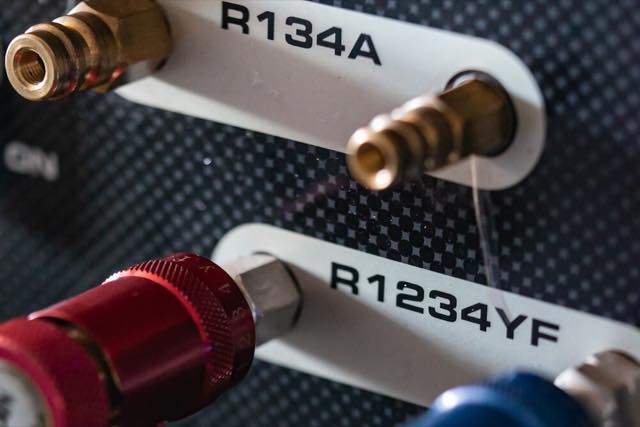 Air conditioningLeak test, service and refill, R134a and R1234yf.destacar.de/en/air-conditioning →
 DetailingHand wash, polish, interior, ceramic coating.destacar.de/en/detailing →
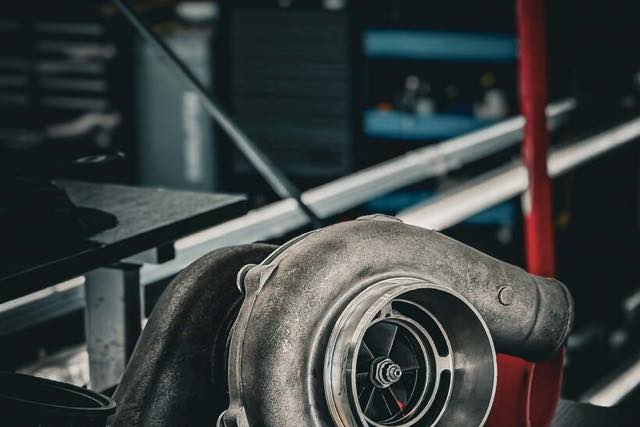 Tuning and BMW codingEngine remaps, DSG tuning, BMW E, F and G coding.destacar.de/en/tuning →
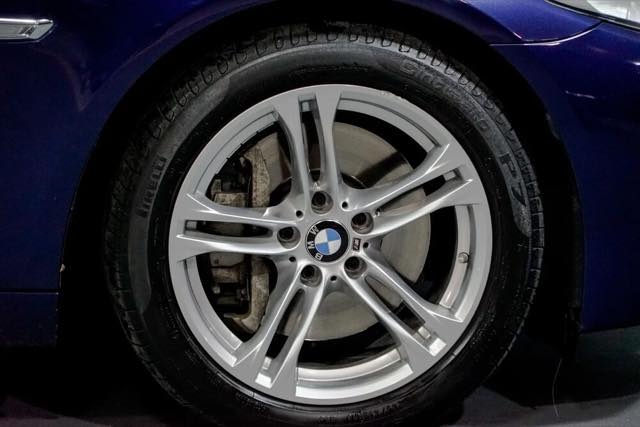 Wheels and tyresChangeover, mounting and balancing, by appointment.destacar.de/en/wheels →
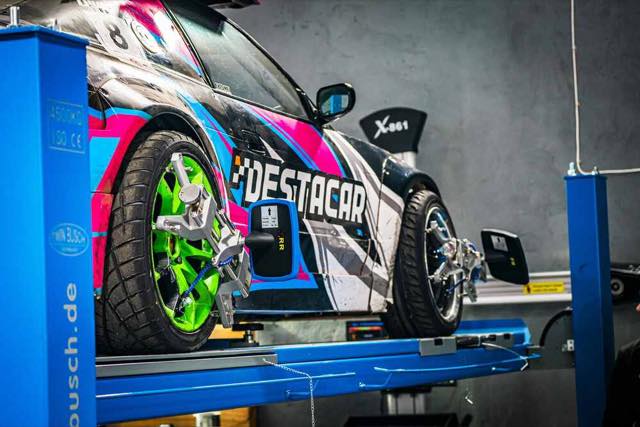 Drift setupSuspension and alignment for angle, from 150 € incl. VAT.destacar.de/en/drift →
On German roads · Guides
Servicing a car at official dealers in Germany: is it worth it?
Servicing a car at official dealers in Germany: money down the drain or a boost to the car's value? Which workshop to choose, and can you save on maintenance?
23.04.2019 · 3 min read · Destacar editorial team
This article is dated as shown. Laws, fees and prices have changed since then. Check the figures before you rely on them.
Servicing a car at official dealers in Germany: money down the drain or a boost to the car's value?
In this article we look at the questions around maintaining a car in Germany, choosing a workshop and the scope for saving on servicing
In our last article we shared the current statistics on car reliability in Germany, along with the experience we have gained selecting cars for our clients. The results of our small analysis of the ADAC statistics suggest that the reliability of new German cars has improved over the past 10 years.
It is logical to assume that you can also save on servicing new cars by having the work done at independent workshops or even doing it yourself. Whether that is true, and what to look out for when choosing how to service your car, is what we discuss today in our new article.
Warranty on new cars in Germany
A voluntary warranty (Garantie) applies on the terms set by whoever granted it and supplements the statutory liability for defects. The duration, cover, exclusions and territory of validity need to be read in the documents of the specific car. Having a warranty does not mean that any repair will be paid for.
For a consumer purchase today, § 477 BGB provides a presumption that a defect existed at handover if the non-conformity in question appeared within one year. There are exceptions laid down by law. This is a rule on evidence, not a promise that any fault will be fixed free of charge.
Whether a voluntary warranty can be extended, what it costs and the mileage limit are checked against the offer of the manufacturer or the guarantor for the specific car.
Service intervals
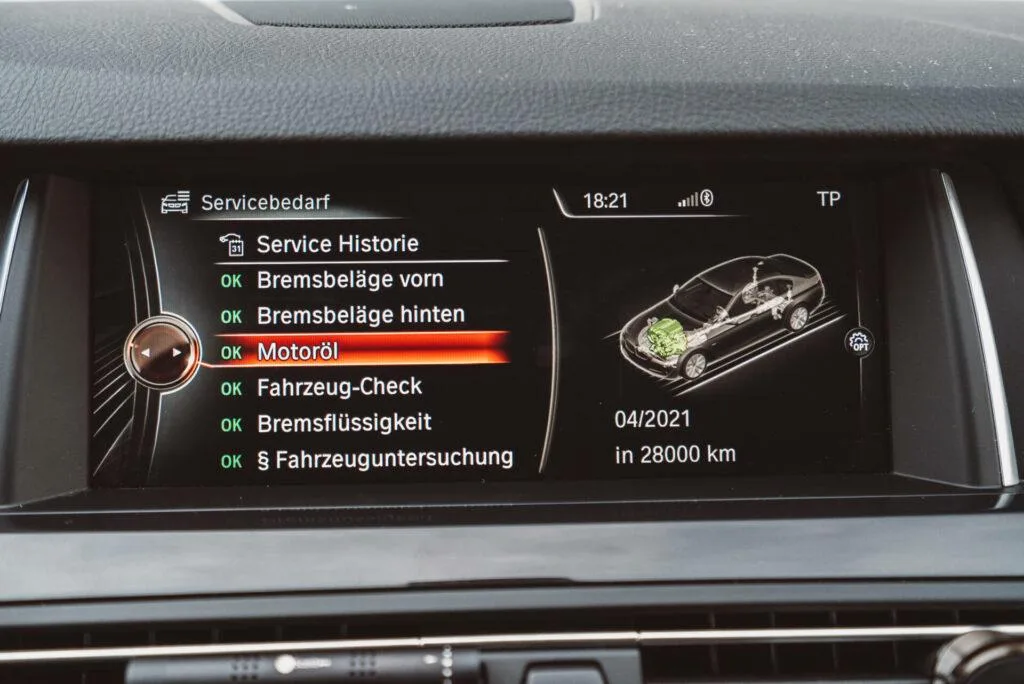
Modern cars have all but done away with “fixed” intervals for workshop visits or replacing consumables. The oil change interval, for example, is calculated automatically on the basis of many factors that affect how the oil ages.
Even the dealers themselves usually ask first what the car's on-board computer says about the next oil change or service. At the same time, all German brands have roughly the same intervals for workshop visits and replacing consumables.
The first service and, accordingly, the first oil change are due after 2 years or 30 thousand km. After that Volkswagen, for example, recommends visiting the workshop every year or every 30 thousand km (whichever comes first), while the engine oil change interval remains 30 thousand km or 2 years. So if your annual mileage is under 15 thousand km a year, you will have to go in for a service every year, but the engine oil will be changed only every two years. On top of that, of course, there are different replacement intervals for other consumables and fluids (you can look them up in German here), which makes it harder for the average car owner to do the replacements themselves and keep to the right intervals.
The service schedule and the warranty period are defined separately. The maintenance plan should be checked against the car's documentation, and the conditions for a warranty repair against the contract and the nature of the defect.
In our view, having services and repairs done at official dealers has the following advantages:
- Confidence in the quality of the work and repairs. Yes, you can “run into” a poor repair at an official dealer too. But the likelihood is much lower than at independent workshops. Plus, an official dealer is obliged to follow all the manufacturer's specifications, and the mechanics are usually held to very high standards.
- No need to work out when this or that part is due for replacement. You simply follow the on-board computer, and the dealer decides what needs replacing and when.
- Kulanz means a voluntary contribution by the manufacturer or dealer to the costs. The service history may matter, but it does not create an automatic right to a free repair.
- Additional proof of the car's real mileage when you later sell it, as well as evidence that the car has no significant technical problems.
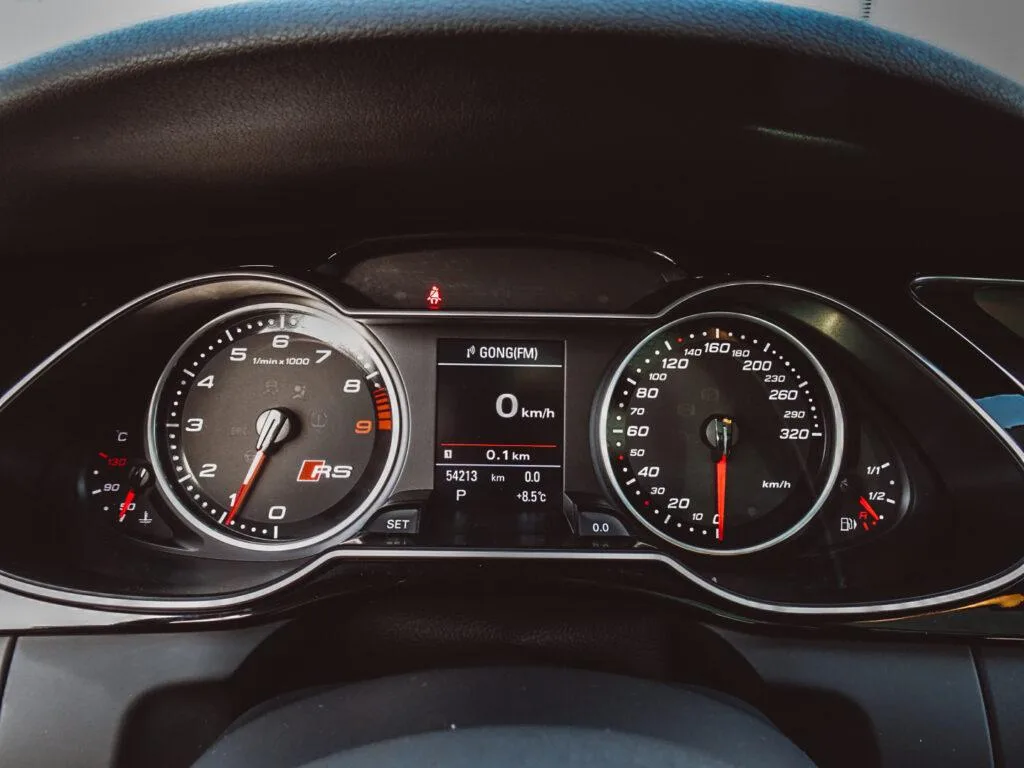
But of course there are also downsides to going to official dealers:
- First, the cost of servicing. All work at official dealers will usually cost 30-50 percent more than at “independent” workshops. There is no point even comparing it with the cost of doing the work yourself, when you only buy the consumables (also much cheaper than at the dealer).
- Second, the time it takes to get a repair or service. In Germany, getting an appointment at a dealer can often be as hard as getting one with a good doctor 😊. You will have to book a service or repair at least 2-3 weeks ahead, and if you want a more convenient slot (early in the morning, say, or in the evening after work), you need to book 1-2 months before the actual date.
And what is the situation with independent workshops?
Watch out for the continuation of this article…
Sources of the corrections
Some details were checked on . The original publication is kept; this is not a full review of every statement in the article.
Comments
Comments appear after review. Contact details remain private.
...
Looking for a car from Germany?
We inspect, buy and handle the paperwork. See what is available right now.
Cars in stock