Documents and invoices
Contracts, invoices, reminders and handover protocols made from one record. Correct numbering, the right letterhead of the right company, nothing retyped.

Projects
Aluminium systemsMETLAGO automation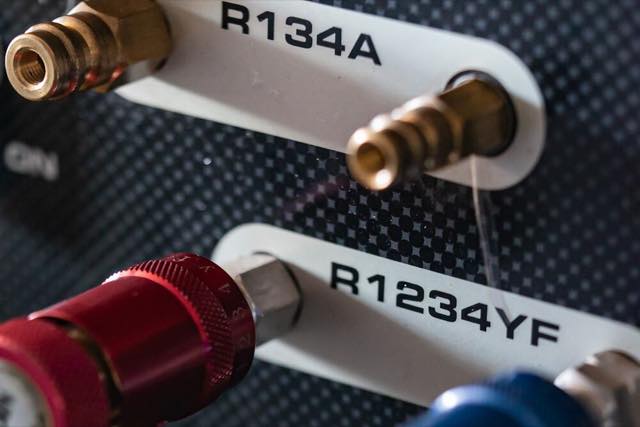 Air conditioningLeak test, service and refill, R134a and R1234yf.destacar.de/en/air-conditioning →
 DetailingHand wash, polish, interior, ceramic coating.destacar.de/en/detailing →
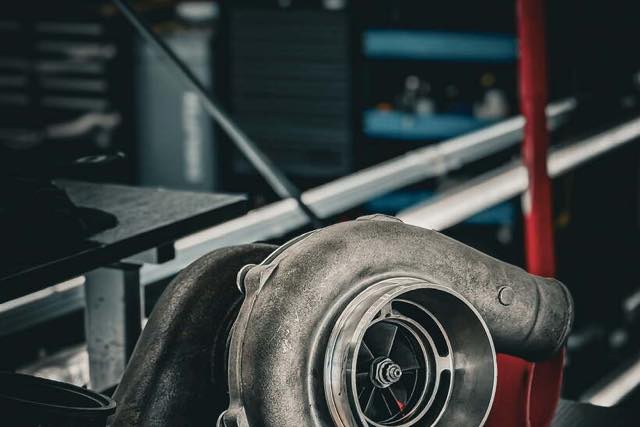 Tuning and BMW codingEngine remaps, DSG tuning, BMW E, F and G coding.destacar.de/en/tuning →
 Wheels and tyresChangeover, mounting and balancing, by appointment.destacar.de/en/wheels →
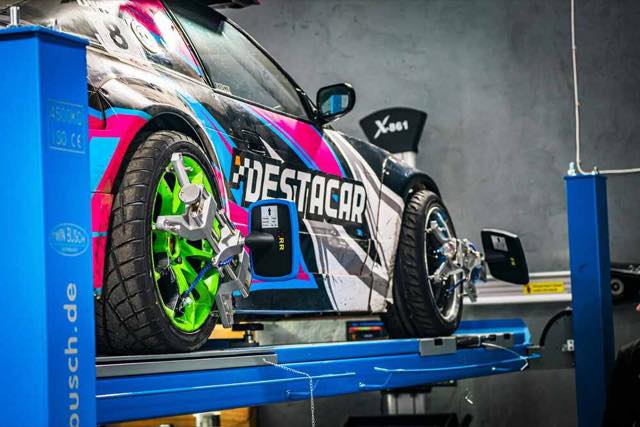 Drift setupSuspension and alignment for angle, from 150 € incl. VAT.destacar.de/en/drift →

We build automation and AI assistants for small firms in Germany. This is not a presentation: the same systems run our own company every day, from an invoice to the export papers for customs.
In a firm of ten to twenty people the time does not go into the work itself. It goes into carrying the same data from one place to the next: from the enquiry into the calendar, from the calendar into the invoice, from the invoice into the folder for the accountant.
Contracts, invoices, reminders and handover protocols made from one record. Correct numbering, the right letterhead of the right company, nothing retyped.
A request from the website or a messenger becomes a record, an answer and a date in the calendar. Nothing sits in an inbox for three days.
Product data and photographs go from one place to the shop and to the portals, each in the format that portal expects.
Monthly figures prepared the same way every time, with the documents attached, in the form your tax office asks for.
Four steps that build on each other. You can stop after any of them, and each one leaves you something that works.
One or two days in your company. We watch the work as it really happens, not as the handbook describes it. You get a written report: which processes are worth automating, what each one saves in hours and money, and in which order to do them.
We build the first process from end to end and put it into daily use with your people. Fixed scope, fixed price, a date on which it works. If it does not carry itself within a year, it was the wrong process and we say so before we start.
An assistant that reads your documents, prepares texts and answers the standard questions inside your own systems. It works on your data, under your rules, and every answer can be traced back to the document it came from.
Monthly. We keep the systems running, repair what breaks, and extend them as the company changes. This is paid work with agreed response times, not free goodwill, and that is exactly why you can rely on it.
Prices are net, plus VAT. The exact figure is named after the process review and holds until the work is done.
The same four steps every time, so you always know what happens next and what it costs.
A day with your team. Who does what, where the work waits, which numbers nobody can find quickly.
One process to start with: the one with the most repetition and the clearest result. Written down with the hours it should save.
Built, tested on your real data, then used in parallel with the old way until it is clearly better.
Your people are trained, the system is documented in plain language, and the access rights belong to you.
Automation means we touch the data of your customers and your staff. That is a legal relationship, not a technical detail.
Before the first system starts we sign a contract on order processing under art. 28 DSGVO. It names what we may touch, for how long, and what happens to it when we stop working together.
The systems run on servers in the EU, and where a project allows it, inside your own company. Which service sees which data is written down before it is switched on.
Your documents are not used to train anybody's model. If a project ever needs an external service that would, you decide it in writing beforehand.
Most of what is sold under the word intelligence right now is a demonstration. These are the three sentences we say at the first meeting.
Automation takes over the repetition, not the judgement. If a process needs a person who decides, it keeps that person and gets a better prepared desk.
We do not push one platform because we earn on the licence. The tools are chosen per project, and you own the accounts.
Every step has a scope, a price and an end date. A project that runs for a year without anything in daily use is a failed project.
Our own company, every working day. These are not case studies from a brochure.

Contract, invoice, handover protocol and the customs set for an export, all from one record, on the letterhead of the company that actually sold the car.
One record per car with photographs and data feeds the website and the export package for the classifieds portals.
Enquiries from the site and the workshop appointments land in one place, with a written answer to the customer and an entry in the company calendar.
Write us in two or three sentences what eats the most time in your company. We answer with a first assessment: whether it is worth automating at all, and what the first step would cost. That conversation is free.
Please send photos of your project via WhatsApp or to info@destacar.de.