
Projects
Aluminium systemsMETLAGO automationWorkshop
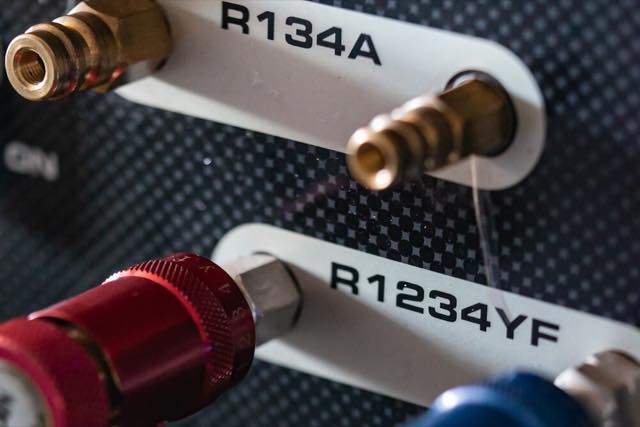 Air conditioningLeak test, service and refill, R134a and R1234yf.destacar.de/en/air-conditioning →
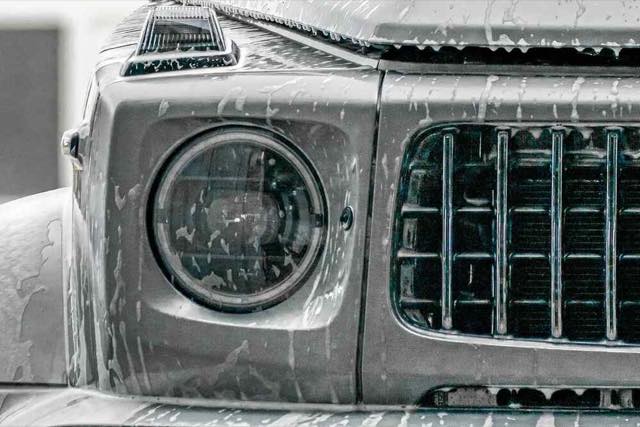 DetailingHand wash, polish, interior, ceramic coating.destacar.de/en/detailing →
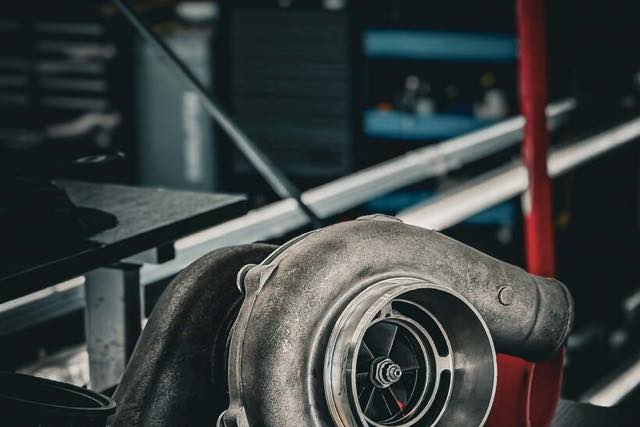 Tuning and BMW codingEngine remaps, DSG tuning, BMW E, F and G coding.destacar.de/en/tuning →
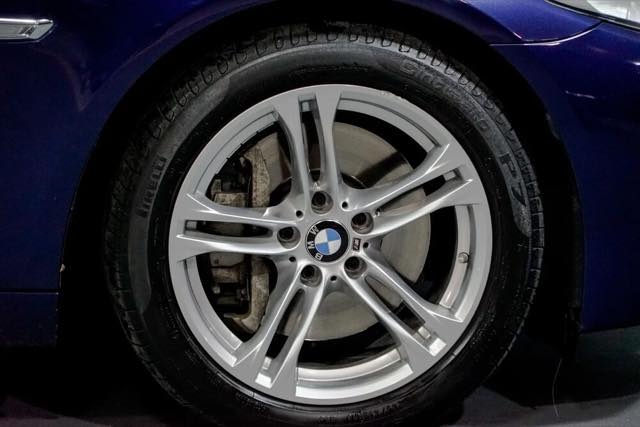 Wheels and tyresChangeover, mounting and balancing, by appointment.destacar.de/en/wheels →
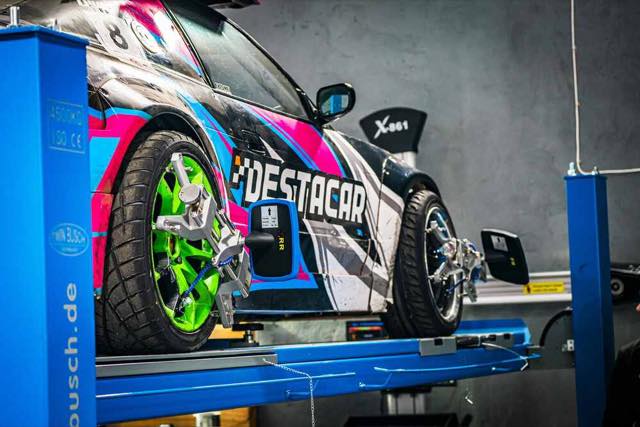 Drift setupSuspension and alignment for angle, from 150 € incl. VAT.destacar.de/en/drift →
On German roads · Guides
Running an electric car vs a combustion car in Germany
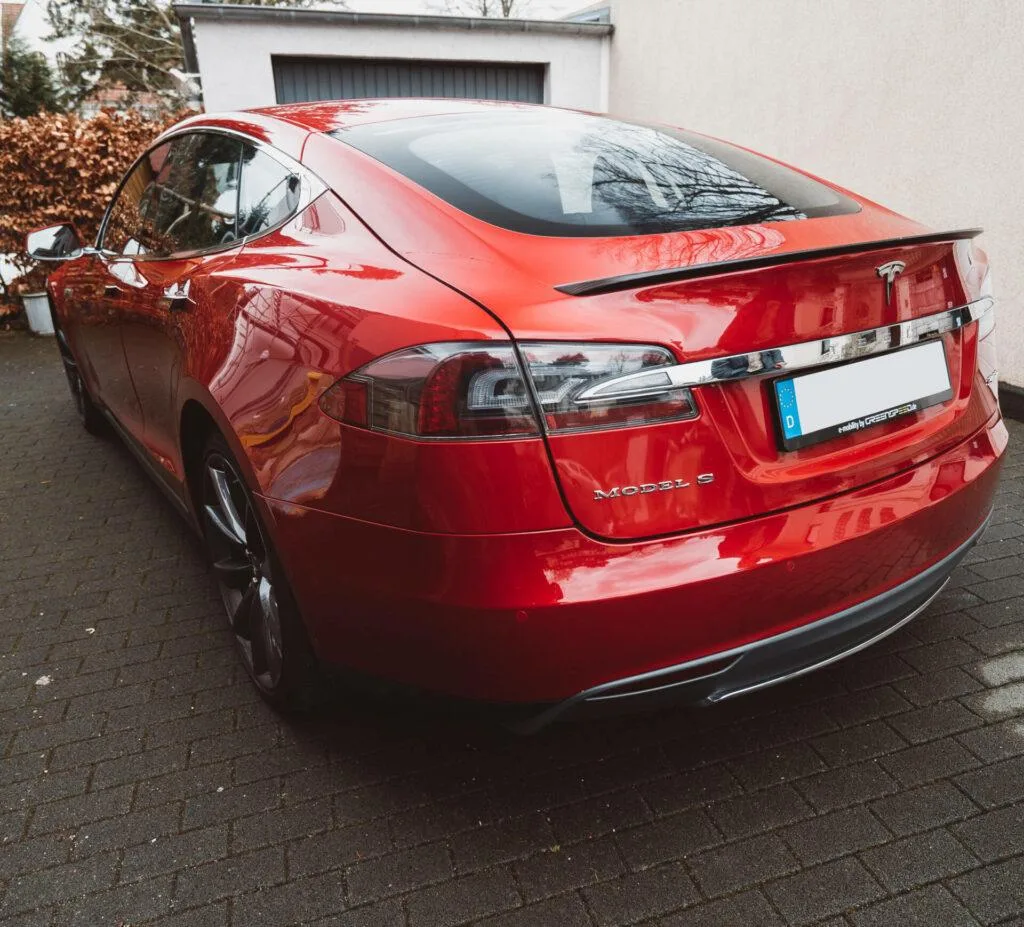
In this article we compare the approximate running costs of electric cars, using a Tesla as the example, with combustion cars such as the BMW 3 Series in Germany. What are the advantages and drawbacks?
21.03.2019 · updated 10.05.2019 · 3 min read · Destacar editorial team
This article is dated as shown. Laws, fees and prices have changed since then. Check the figures before you rely on them.
Time to switch to electric?
In this article we compare the approximate running costs of electric cars and cars with internal combustion engines.
The future belongs to electric cars. Nobody even tries to argue with that any more; the only debate is which manufacturer will be the first to build an electric car that combines all the necessary qualities: economy, environmental friendliness, ease of use, an affordable price and reliability.
The comparison of prices, technology and expectations refers to March 2019. A calculation for today needs current charging and fuel tariffs, consumption figures and operating conditions. From the article of 21.03.2019: “Unfortunately, nobody has yet managed to combine all of these qualities. Thanks to the effective PR of the greatest manager (and that is not sarcasm), Tesla is seen by everyone as the best electric car at the moment. Even on price it is already possible to compare, for example, the Model 3, which has recently gone on official sale, with cars from German manufacturers. For the basic 53 thousand euros asked for a Model 3, you get a new diesel BMW 3 Series in a good, though not the fullest, configuration. A pun, is it not: the third model competing with the third model? 😊”
The cost of filling up with diesel versus charging with electricity
From the article of 21.03.2019: “Let us work out the fuel cost per 100 km for each of the cars mentioned above. According to the Tesla website ( https://www.tesla.com/de_DE/support/supercharging ), a minute of charging at Supercharger stations in Germany costs 0.2 euros per minute at a charging rate of up to 60 kW per hour and 0.4 euros per minute at a charging rate above 60 kW per hour. A rough calculation gives a cost of roughly 0.3 euros per kW of electricity. That is roughly the price of household electricity in Germany. In other words, charging a Tesla at a Supercharger gives you a high charging speed, but no cost advantage compared with charging at home. Yes, charging used to be free for all Tesla cars, but we understand that with that approach Elon Musk's company would be loss-making forever, and it urgently needs to start earning money. So let us assume an approximate consumption in economical driving of around 20 kWh/100 km (approximate test consumption for other electric cars can be found in the ADAC test).”
From the article of 21.03.2019: “All in all, for 100 kilometres driven gently the owner of a Model 3 will pay around 6 euros. Given current diesel prices in Germany (from 1.2 to 1.3 euros per litre), that corresponds to an approximate consumption of 4.5 to 5 litres per 100 kilometres. If you drive a BMW 320 with a diesel engine in economical mode, you can also stay within that figure or exceed it slightly (and the official consumption is just 4.1 litres per 100 kilometres).”
From the article of 21.03.2019: “So is it too early to buy an electric car? It is not that simple, especially in Germany, given the German passion for saving money. If you plan to buy an electric car in Germany and want to save money in the future, it makes sense to pair the electric car with solar panels on the roof of your house to generate electricity, which will be considerably cheaper. Also worth getting is a card from one of the charging networks, whose prices are likewise lower than at Tesla's own stations. And, of course, plan long journeys well in advance: we suspect that charging stations in Germany will be very busy already this holiday season. )))”
Electric cars: present or future?
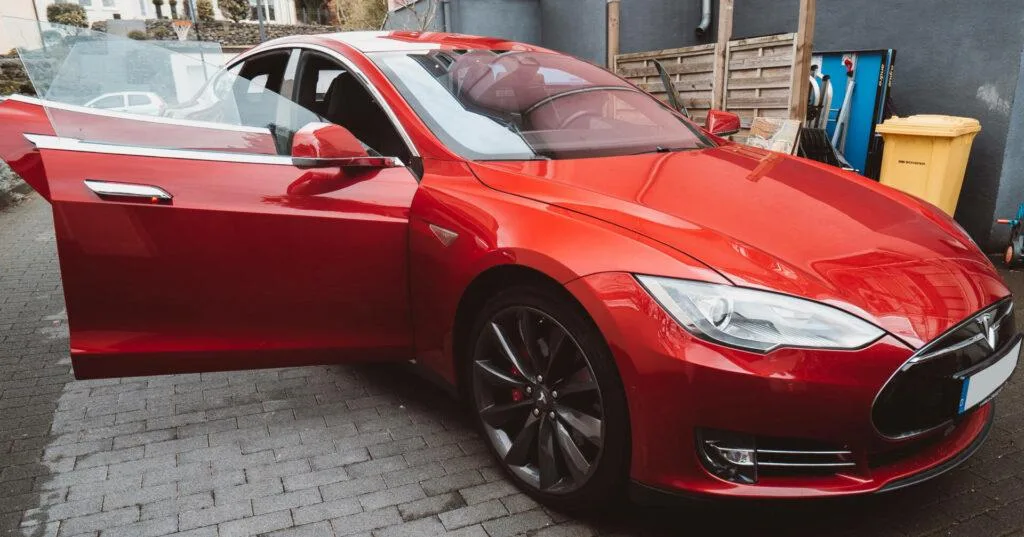
From the article of 21.03.2019: “Of course, electric cars are the future, and it has quietly arrived already. Even the price comparison above between a new Model 3 and a BMW 3 Series shows that electric cars can already compete with cars with internal combustion engines. All the world's car manufacturers have joined the race as pursuers and are promising a wide range of electric cars (including affordable ones) for late 2019 or early 2020.”
From the article of 21.03.2019: “At the same time, there is still not enough information on the reliability of electric cars, their maintenance and the real costs of running them. In effect, every buyer of an electric car is acting as a test driver. What will happen to such cars after 5-10 years of use? For example, the warranty on the batteries and motors (effectively the most valuable parts) of Tesla cars is 8 years (or 160-200 thousand kilometres). Does that mean the car will lose all its value once the warranty ends?”
We ourselves find it fascinating to follow how this market develops. We enjoy reviewing electric cars and will do our best to test new models. Follow our channel!
Sources of the corrections
Some details were checked on . The original publication is kept; this is not a full review of every statement in the article.
Comments
Comments appear after review. Contact details remain private.
...
Looking for a car from Germany?
We inspect, buy and handle the paperwork. See what is available right now.
Cars in stock