
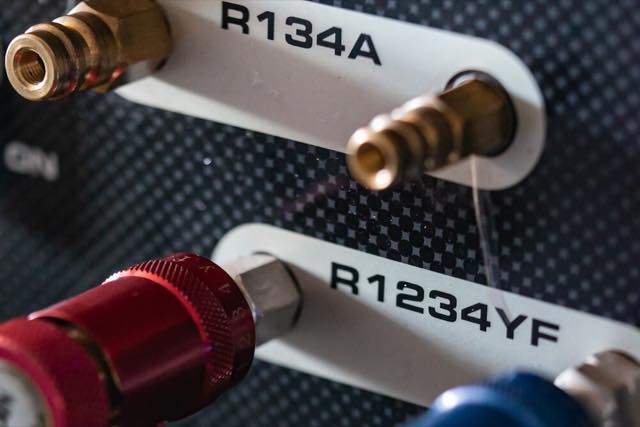
 Air conditioning
 Detailing
 Tuning and BMW coding
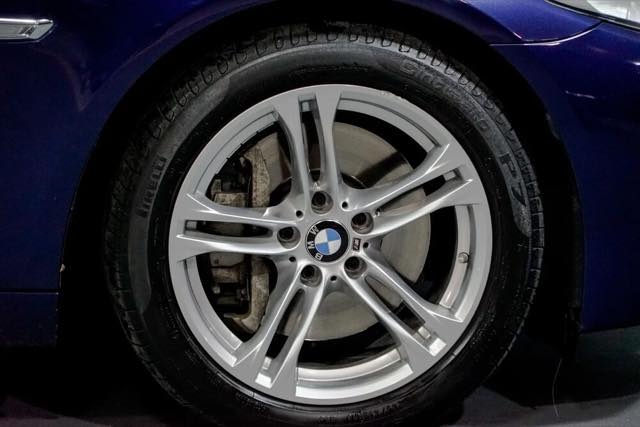 Wheels and tyres
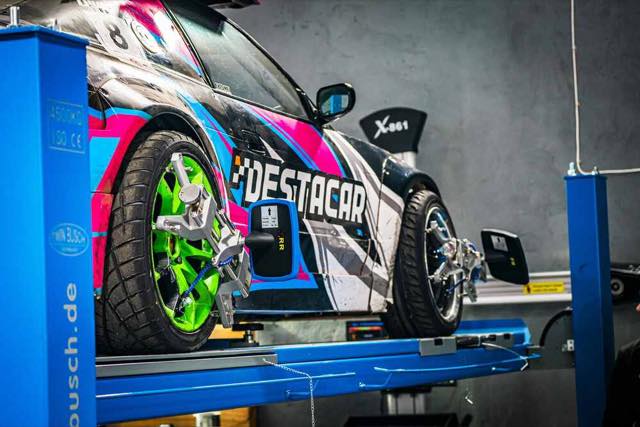 Drift setup

Before the appointment: identify the car and its records
Record the advert, VIN, seller, location, price and promised equipment before travelling. This gives the actual vehicle a clear reference.
Ask the seller not to warm the engine. A cold start may expose starting problems, noises, smoke or warnings that disappear when warm.
- Registration documents and seller identity
- Roadworthiness reports, service evidence and invoices
- Every key and included accessory
- Written accident, previous-damage and fault disclosure
Bodywork and previous damage
A good inspection compares panel gaps, paint texture, fasteners, glass dates, lamps, accessible structure and the underside. Paint-depth readings support an observation but cannot prove accident history or repair quality on their own.
Previous damage needs detail: affected parts, date, repair method and evidence. A vague claim that everything was fixed is not a traceable history.
- Dents, corrosion, chips and damaged trim
- Repainting, filler indications and inconsistent component dates
- Tyre age, tread, wear pattern and wheel damage
- Moisture or repair evidence inside the car
Mechanical condition and diagnostics
The engine bay and fluid levels are checked for plausibility, leaks and temporary repairs. Lighting, comfort features, assistance systems, climate control and infotainment need functional tests. A fault code is a clue, not a complete diagnosis; an empty memory proves nothing by itself.
A useful report grades wear by urgency: immediate safety work, an item to monitor or a likely medium-term cost.
- Cold start, idle, noises and visible smoke
- Brakes, suspension, steering and leaks
- Battery, charging and warning systems where testable
- OBD findings with interpretation, not just codes
Road test in realistic conditions
The drive should include urban roads, uneven surfaces, braking and, where safe, a faster section. Confirm registration, insurance and liability first.
Check stability, transmission, clutch, braking, vibration, noise, temperatures and warnings. Inspect again afterwards, as some leaks and smells appear only when warm.
- Record any refused cold start or road test
- Reproduce noises and note the conditions
- Test assistance systems only when safe
- Record mileage before and after
The report must support a decision
Separate confirmed findings, suspicions and areas not tested. Include photographs, readings, open questions, urgency and a clear outcome: buy, negotiate or investigate further, or walk away.
A mobile inspection is not dismantling and cannot guarantee the absence of hidden faults. That limitation belongs in an honest report. ADAC likewise recommends inspection and road testing before signing.
- Put safety findings first
- Separate immediate and medium-term cost
- State all material limitations
- Judge price together with condition and risk
Sources and further reading
This guide explains the Destacar process and is not individual legal, tax or workshop advice.
DESTACAR · NEXT STEP