
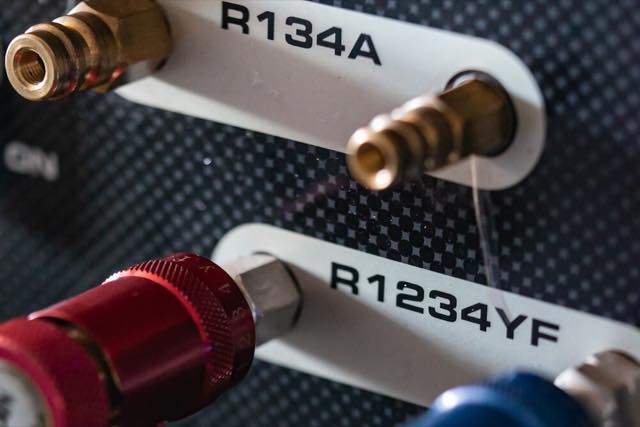
 Air conditioning
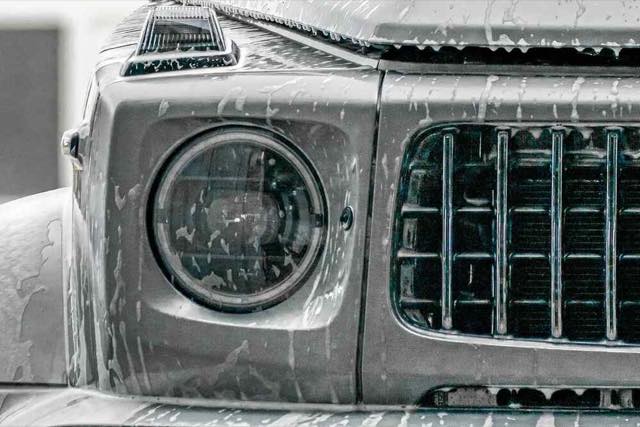 Detailing
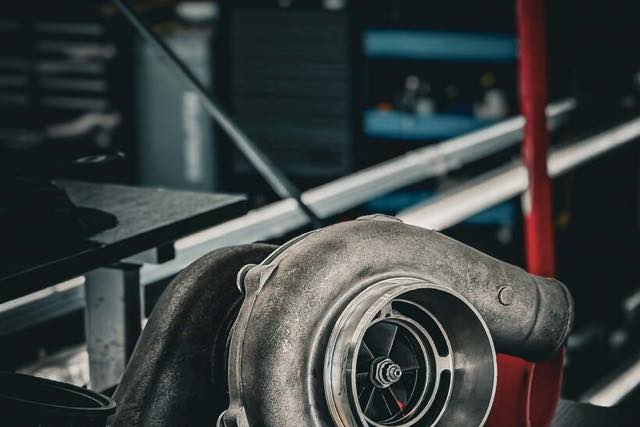 Tuning and BMW coding
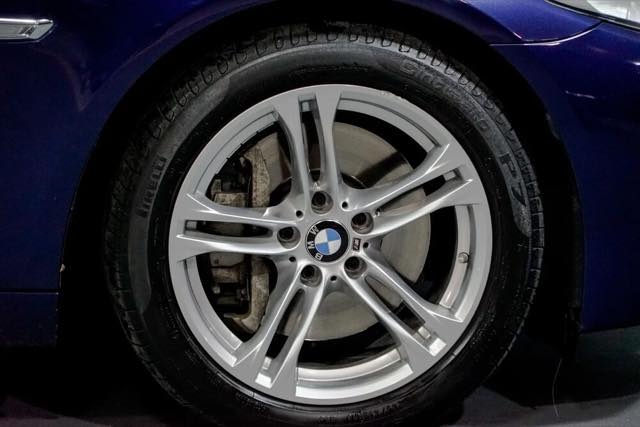 Wheels and tyres
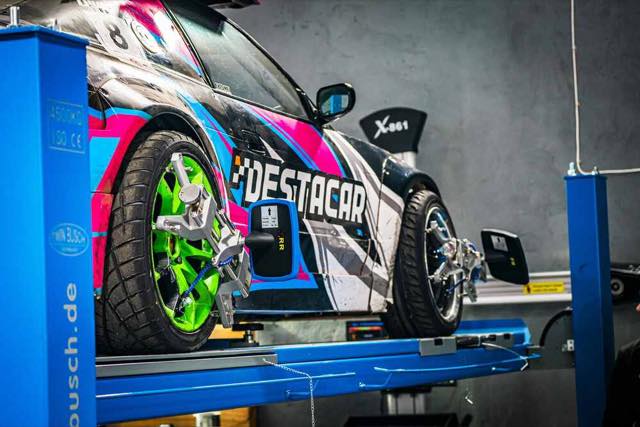 Drift setup

1. Turn preferences into measurable criteria
Start with use, annual mileage, space, powertrain, essential equipment and total budget. Agree which compromises are acceptable.
Include auction fees, transport, documents, technical work, registration and a risk reserve, not only the bid.
- Must-have, preferred and exclusion criteria
- Maximum total cost, not only bid limit
- Private or business purchase and invoice needs
- Destination, timing and registration papers
2. Read condition reports critically
Images and damage codes only record the captured condition. They do not replace a workshop diagnosis or prove every previous repair was found.
Cross-check identity, equipment, mileage, maintenance, keys, tyres, damage and document status. Flag uncertainty before bidding.
- Match VIN and documents
- Confirm net, gross and VAT treatment
- Rank damage by consequences
- Treat missing images, keys or papers as risk
3. Approval and a fixed bidding limit
Before bidding, provide the vehicle summary, known issues, cost range and maximum limit. No approval means no bid. Losing is safer than buying outside the budget.
Review the auction's payment, collection and complaint deadlines in advance.
- Record approval for the exact vehicle
- Never raise the limit impulsively
- Show auction and service fees separately
- Agree a plan if the bid fails
4. Resolve VAT and documents before payment
VAT depends on the parties, invoice method and vehicle status. EU guidance classifies a car as used for VAT only when it is both over 6,000 km and more than six months from first use.
Label net, gross and non-deductible VAT distinctly. Refer individual tax issues to an adviser or authority before payment.
- Confirm buyer and VAT status before bidding
- Check COC and registration documents
- Allow for customs and import VAT outside the EU
- Allow for destination registration and road taxes
5. Transport, arrival inspection and handover
On arrival compare VIN, mileage, keys, documents and visible damage with the report. Photograph differences immediately and report them within the deadline.
Only then begin approved repairs, detailing or registration preparation. Record arrival condition, agreed work and final condition rather than promising perfection.
- Transport insurance and handover record
- Arrival photos before cleaning or repair
- No repair without approval
- All keys and papers at handover
Sources and further reading
This guide explains the Destacar process and is not individual legal, tax or workshop advice.
DESTACAR · NEXT STEP