
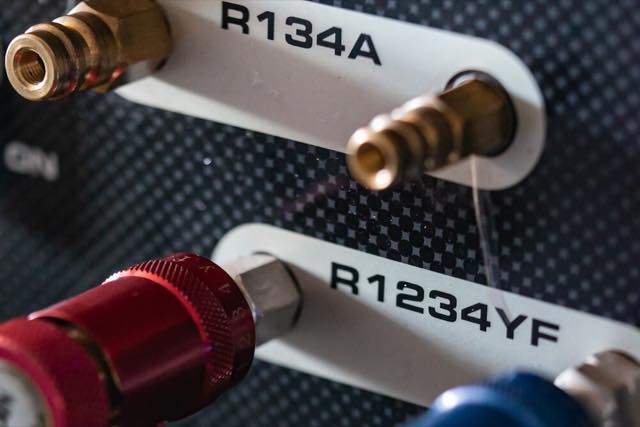
 Air conditioning
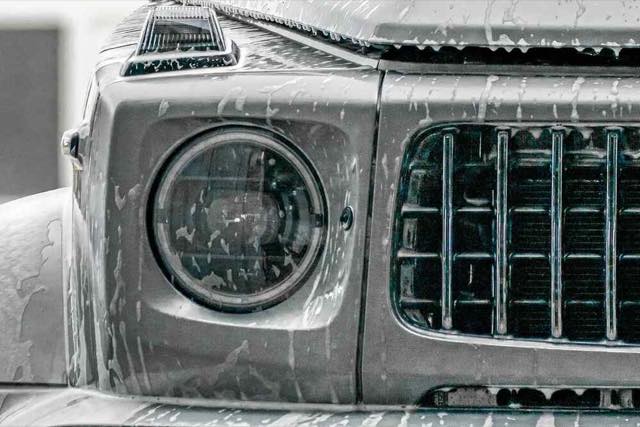 Detailing
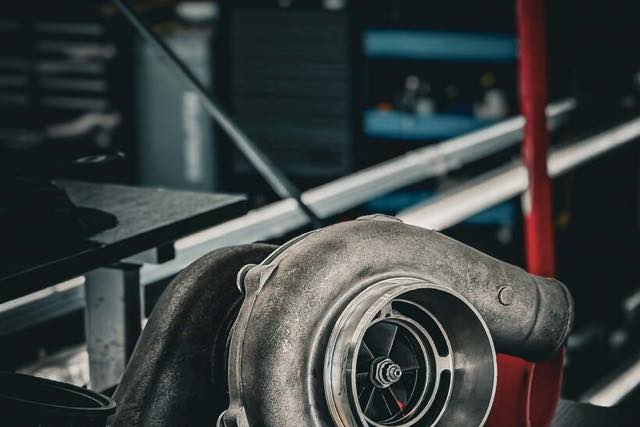 Tuning and BMW coding
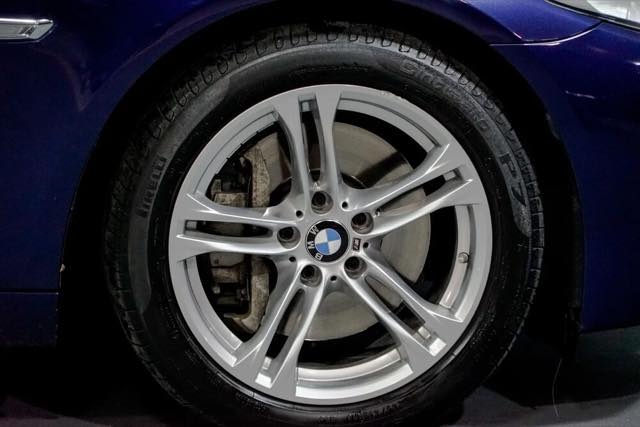 Wheels and tyres
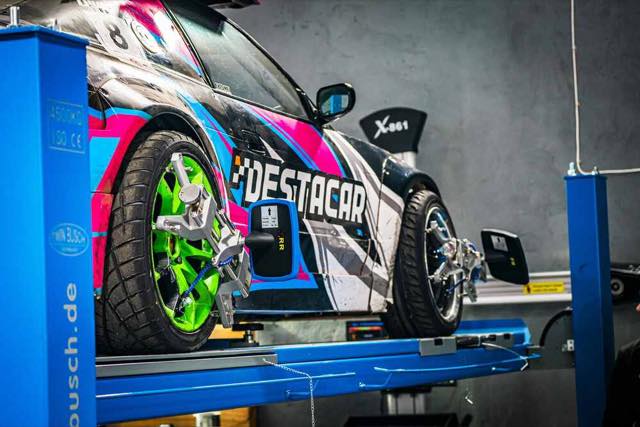 Drift setup

Weak cooling has several possible causes
Low refrigerant is only one possibility. Sensors, pressure control, compressor operation, electrical control, fans, air flaps or a blocked filter may reduce performance. Start with the symptom, temperatures and visual and functional checks.
The more precisely the failure is described (at idle, on the road, continuously or intermittently), the more focused testing can be.
- No, weak or intermittent cooling?
- Any noise, smell or window misting?
- Recently charged or repaired?
- Which refrigerant is specified?
Do not confuse R134a and R1234yf
The specified refrigerant is normally identified under the bonnet. R134a and R1234yf have different properties and service requirements. Follow the manufacturer specification only.
Germany's Environment Agency notes the climate relevance of refrigerants. Leakage is therefore more than a running-cost issue, and topping up does not remove its cause.
- Identify refrigerant on the vehicle
- No mixing or conversion without approval
- Use the specified charge weight
- Use suitable equipment and procedures
What a leak test should establish
The goal is a decision: is charging reasonable, is there evidence of leakage, or does a component need closer investigation? Depending on findings, visual inspection, pressure or vacuum behaviour and suitable leak detection may be combined.
Not every small leak appears immediately. State methods and limits rather than promising absolute tightness after a brief test.
- Inspect accessible lines, joints and components
- Record behaviour and conditions
- Narrow down the area before ordering parts
- Recommend focused diagnosis when uncertain
Find the cause, then approve further work
If leakage is found, discuss the component, repair route and cost first. At Destacar the leak test is the defined base service; disinfection, oil, dye, repair and charging are not automatically included.
The transparent sequence is test, explain, approve, then repair or charge. This helps prevent repeated charging costs.
- No extra service without consent
- Show material and refrigerant separately
- Document repair and function test
- Do not keep refilling a leaking system
Preparation and transparent cost
Bring vehicle details and information about previous AC work. Describe the behaviour precisely and provide invoices where available. This shortens diagnosis.
Cost depends on refrigerant, quantity, accessibility and findings. A responsible estimate separates testing, material and possible repair.
- Registration document or VIN
- When the fault occurs
- Previous invoices and repairs
- Unusual noises or smells
Sources and further reading
This guide explains the Destacar process and is not individual legal, tax or workshop advice.
DESTACAR · NEXT STEP